
Basement Flooding Cleanup in Lebanon, TN
Flooded basements pumped out, dried to readings and cleaned, including sump pump failures.
- ✓Available 24/7
- ✓Written Scope First
- ✓Call +1 (844) 468-2611
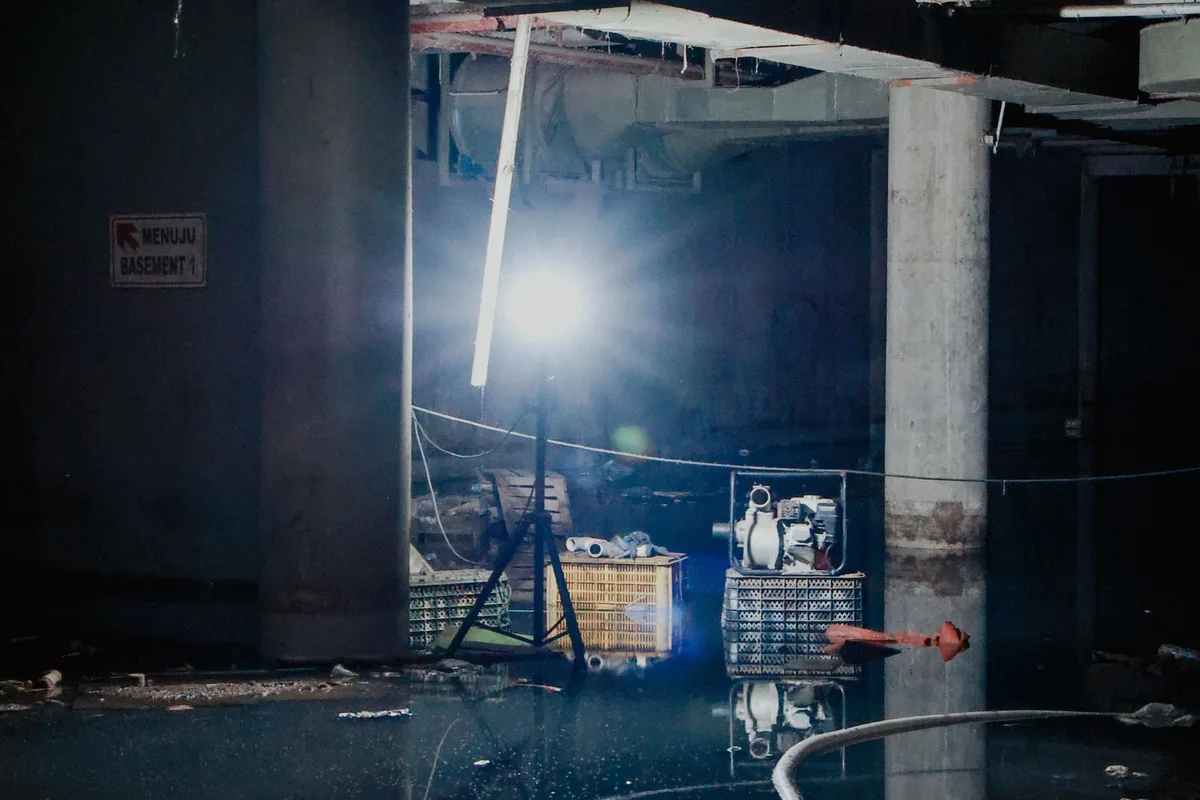
A flooded basement is the most common water call in Lebanon, and it usually starts with one of three things: a sump pump that failed during a storm, a downpour that overwhelmed the gutters and drains, or groundwater pushing up through the slab edge after days of rain. Clay soil makes it worse, because it holds water against the foundation instead of letting it drain away, and a finished basement turns a small flood into a ruined room.
Basement cleanup through Wilson Water Pros starts with pumping the water down to the last puddle, then metering the slab, the wall bases and anything stored low. Carpet pad that soaked through comes out, drywall is cut back to the dry line, and air movers and dehumidifiers run against daily readings until the structure proves dry. The sump pump is tested before the crew leaves, because the pump is usually the reason the water got in. For the drying stage, see structural drying and dehumidification.
Wilson Water Pros takes calls across Lebanon, Tennessee, in ZIP codes 37087, 37088 and 37090, plus 37071 and 37136 in Wilson County, from downtown and the Public Square to StoneBridge, Spence Creek and Hartmann Plantation. The technicians are local, the drying is measured with moisture meters, and every job is quoted in writing before work begins.
Signs Your Basement Is Flooding
- ✓Standing water or puddles on the basement floor
- ✓Carpet or flooring that feels wet underfoot
- ✓Water lines on the walls after a storm
- ✓A sump pump that runs constantly or not at all
- ✓A musty smell that stays after the water is gone
Pump It Out or Dry It Out?
Pump first, always. Drying equipment cannot dry standing water, and a basement that is pumped late stays wet longer at the slab edge, where mold starts. Once the water is out, the drying runs against readings in the slab and the wall bases, because those are the places that stay wet longest and cause the trouble months later.
How Basement Flooding Cleanup Works
- Pump it down. Submersible pumps clear the basement to the last puddle.
- Meter everything low. Slab, wall bases and stored belongings are checked for how far the water reached.
- Remove what cannot dry. Soaked pad and drywall below the water line come out.
- Dry to readings. Air movers and dehumidifiers run against a daily drying log.
- Test the pump. The sump pump is tested and the discharge checked before the crew leaves.
Every visit follows the same order. The technician walks the affected rooms with a moisture meter, finds how far the water spread, including behind walls and under floors, and shows you the readings. The water category is named, clean, gray or black, because the category decides the cleanup standard. The written scope separates extraction, drying, cleaning and rebuild so you can see exactly what you are approving.
When the work is done, the readings are taken again and logged. Equipment is removed only when the numbers prove the structure dry, not when it looks dry. You get the drying log and the photos for your insurance file, and the rooms are left clean, dry and ready for whatever comes next.
What Basement Flooding Cleanup Costs in Lebanon
Basement flooding cleanup in Lebanon typically runs $1,000 to $3,500 depending on depth, area and whether the basement is finished. A shallow flood in an unfinished basement sits at the low end; a deep flood in a finished basement with soaked drywall and flooring sits at the high end. The written scope shows the full figure before work starts.
Keeping the Basement Dry
Test the sump pump twice a year by pouring water into the pit until it kicks on, and fit a battery backup so a storm that takes the power does not take the pump with it. Keep gutters clean and downspouts pointed away from the foundation, and check the discharge line outside for blockages each spring. Store valuables off the basement floor on shelves, not in boxes on the slab.
Basement Flooding Cleanup Questions
My sump pump failed during the storm. Can you still help?
Yes. Call +1 (844) 468-2611. The basement is pumped out, the pump is tested, and the drying starts the same visit. If the pump needs replacing, the technician will tell you plainly and the replacement can be arranged.
How long does a flooded basement take to dry?
Most basements take three to five days of active drying with daily readings. Finished basements take longer, because drywall and flooring hold water. The drying log shows the numbers falling day by day.
Should I move everything out of the basement first?
Move what you can to dry ground, and take photos of every wet area before anything is moved. Leave heavy furniture and anything in standing water for the crew; they have the equipment to move it safely.

Water in the House? Get It Out and Dried Right.
One call reaches the provider directly, around the clock. Written scope at your door before work starts.
Call +1 (844) 468-2611Questions about this service, or water doing something else entirely? Call +1 (844) 468-2611. A Lebanon technician will walk through what the water did and what it needs.