
Mold Remediation After Water Damage in Lebanon, TN
Mold after a water loss is contained, removed and cleaned, then the moisture that fed it is fixed.
- ✓Available 24/7
- ✓Written Scope First
- ✓Call +1 (844) 468-2611
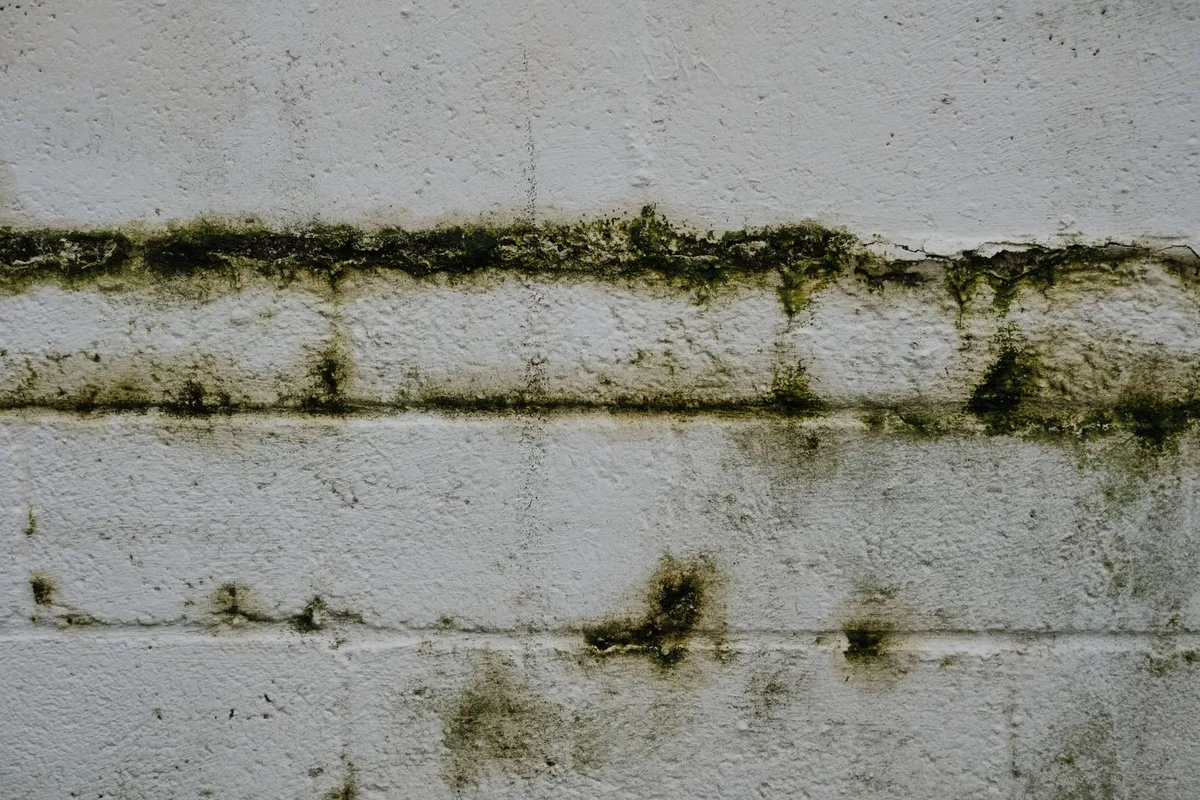
Mold is the second problem water leaves behind, and it starts fast. The EPA's guidance is plain: wet materials should be dried within 24 to 48 hours to keep mold from starting, and in a humid Middle Tennessee summer that window is not generous. Mold grows in the dark, damp places water hides: behind drywall, under flooring, inside wall cavities, and it keeps growing as long as the moisture stays.
Remediation through Wilson Water Pros starts with containment, so spores are not spread through the house during the work, then removal of the affected materials and cleaning of the area with HEPA filtration running. The moisture source, the leak, the failed pump, the wet wall, is fixed as part of the same job, because cleaning mold without fixing the moisture just buys a second crop. The EPA guide to mold, moisture and your home sets out the full moisture routine.
Wilson Water Pros takes calls across Lebanon, Tennessee, in ZIP codes 37087, 37088 and 37090, plus 37071 and 37136 in Wilson County, from downtown and the Public Square to StoneBridge, Spence Creek and Hartmann Plantation. The technicians are local, the drying is measured with moisture meters, and every job is quoted in writing before work begins.
Signs of Mold After Water Damage
- ✓A musty smell that stays after the water is gone
- ✓Dark spots or discoloration on walls and ceilings
- ✓Paint or wallpaper peeling in a room that was wet
- ✓Allergy symptoms that started after a leak
- ✓Visible growth behind baseboards or under flooring
Clean It or Remove It?
It depends on the material. Hard surfaces can usually be cleaned and treated. Porous materials that mold has grown through, drywall, insulation, carpet pad, usually come out, because cleaning cannot reach the growth inside them. The decision is made from what the technician finds on inspection, not from a rule, and the written scope shows exactly what will be removed.
How Mold Remediation After Water Damage Works
- Inspect and contain. The affected area is inspected and sealed off so spores do not spread.
- Find the moisture. The leak or the wet material feeding the mold is located and fixed.
- Remove affected materials. Drywall, insulation and pad that mold has grown through come out.
- Clean and filter. The area is cleaned with HEPA filtration running throughout.
- Prove it dry. Moisture readings confirm the area is dry before any rebuild begins.
Every visit follows the same order. The technician walks the affected rooms with a moisture meter, finds how far the water spread, including behind walls and under floors, and shows you the readings. The water category is named, clean, gray or black, because the category decides the cleanup standard. The written scope separates extraction, drying, cleaning and rebuild so you can see exactly what you are approving.
When the work is done, the readings are taken again and logged. Equipment is removed only when the numbers prove the structure dry, not when it looks dry. You get the drying log and the photos for your insurance file, and the rooms are left clean, dry and ready for whatever comes next.
What Mold Remediation Costs in Lebanon
Mold remediation after water damage in Lebanon typically runs $1,000 to $3,500 for a single room or area, depending on how far the mold spread and how much material must come out. A small patch caught early sits at the low end; mold through a wall cavity and into the framing sits at the high end. The written scope separates inspection, removal, cleaning and rebuild.
Keeping Mold From Coming Back
Mold needs moisture, so the prevention is the same as the cure: dry wet materials within 24 to 48 hours, fix leaks at the first stain, keep humidity down with ventilation and dehumidification, and test the sump pump twice a year. After any water job, keep the drying log; it proves the structure was dried properly, which is the best defense against a second crop.
Mold Remediation After Water Damage Questions
Is mold dangerous to my family?
Mold can aggravate allergies and breathing problems, especially in children and anyone with asthma. The risk depends on the type and the exposure, and a technician can tell you plainly what was found. If anyone in the house has breathing trouble, say so when you call.
Can I clean mold myself with bleach?
For a tiny patch on a hard surface, sometimes. For mold after a water loss, no: the growth is usually behind the surface you can see, and cleaning without containment spreads spores through the house. Call +1 (844) 468-2611 and have it inspected.
Will the mold come back after remediation?
Not if the moisture is fixed. Remediation removes the growth and the cleanup removes the spores, but the leak or the wet material that fed it must be fixed in the same job. That is why the visit fixes the source, not just the mold.
Water in the House? Get It Out and Dried Right.
One call reaches the provider directly, around the clock. Written scope at your door before work starts.
Call +1 (844) 468-2611Questions about this service, or water doing something else entirely? Call +1 (844) 468-2611. A Lebanon technician will walk through what the water did and what it needs.