
Sewage Cleanup and Sanitization in Lebanon, TN
Sewage backup cleaned as contaminated water, with protective gear, sanitizing and drying.
- ✓Available 24/7
- ✓Written Scope First
- ✓Call +1 (844) 468-2611
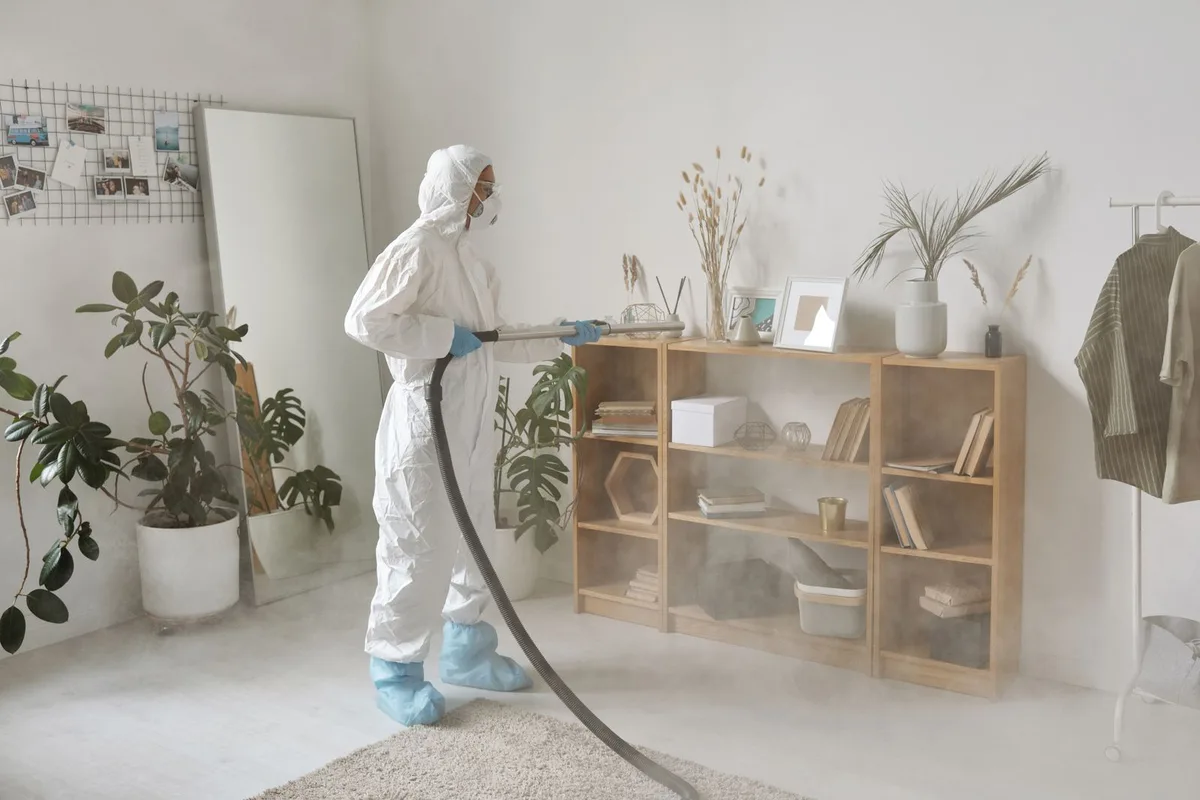
A sewage backup is the water emergency that cannot wait and cannot be treated like clean water. It carries bacteria and waste, it soaks into everything porous it touches, and it makes rooms unsafe to use until the cleanup is done properly. The smell is the least of it; the health risk is the reason the standard is strict.
Sewage cleanup through Wilson Water Pros follows the Category 3 standard from the first minute: protective gear, extraction of the contaminated water, removal of carpet pad, soaked drywall and insulation that cannot be sanitized in place, then cleaning and sanitizing of hard surfaces before any drying starts. Only after the rooms are clean does the drying begin, measured with moisture meters like every other job. For the drying stage, see structural drying and dehumidification.
Wilson Water Pros takes calls across Lebanon, Tennessee, in ZIP codes 37087, 37088 and 37090, plus 37071 and 37136 in Wilson County, from downtown and the Public Square to StoneBridge, Spence Creek and Hartmann Plantation. The technicians are local, the drying is measured with moisture meters, and every job is quoted in writing before work begins.
Signs of a Sewage Backup
- ✓Black or gray water backing up into tubs, showers or floor drains
- ✓A strong sewage smell from drains or the basement
- ✓Toilets gurgling or draining slowly across the house
- ✓Water rising in the lowest drain when fixtures are used
- ✓Wet spots on the floor near a floor drain after rain
Sewage or Just a Clogged Drain?
A single slow drain is usually a clog. Water backing up into the lowest fixtures in the house, or black water in a tub or shower, is a main-line problem and is treated as sewage from the start. Do not run water, do not flush, and do not try to clear it with a household plunger while it is backing up; call, and keep everyone out of the water.
How Sewage Cleanup and Sanitization Works
- Stop using water. No flushing, no laundry, no running taps until the line is clear.
- Extract the sewage. Contaminated water is pumped out with protective gear and safe handling.
- Remove what cannot be cleaned. Soaked carpet pad, drywall and insulation come out.
- Clean and sanitize. Hard surfaces are cleaned and treated to the Category 3 standard.
- Dry to readings. Air movers and dehumidifiers run against a daily drying log.
Every visit follows the same order. The technician walks the affected rooms with a moisture meter, finds how far the water spread, including behind walls and under floors, and shows you the readings. The water category is named, clean, gray or black, because the category decides the cleanup standard. The written scope separates extraction, drying, cleaning and rebuild so you can see exactly what you are approving.
When the work is done, the readings are taken again and logged. Equipment is removed only when the numbers prove the structure dry, not when it looks dry. You get the drying log and the photos for your insurance file, and the rooms are left clean, dry and ready for whatever comes next.
What Sewage Cleanup Costs in Lebanon
Sewage cleanup in Lebanon typically runs $1,500 to $4,000 depending on how many rooms the backup reached and how much material must come out. Contaminated water costs more to handle safely than clean water, and the written scope separates extraction, removal, cleaning and drying so you can see the full figure before work starts.
Keeping Sewage Out of the House
Never flush wipes, grease or anything but toilet paper and waste, and have the main line inspected if drains gurgle or run slow across the house. After heavy rain, check the lowest drain in the house first. A backwater valve on the main line is worth asking about at any visit; it is the fitting that stops a street backup from reaching your basement.
Sewage Cleanup and Sanitization Questions
Is it safe to clean up a small sewage backup myself?
No. Even a small backup carries bacteria that household cleaning cannot handle safely, and porous materials it touched must come out. Stay out of the water and call +1 (844) 468-2611.
How long before the rooms are safe to use again?
After cleaning, sanitizing and drying to readings, usually three to five days for a single-room backup. The technician will tell you plainly which rooms are safe and when, and the drying log proves the structure dry.
Will my insurance cover a sewage backup?
Many policies cover sewage backup only with a specific endorsement, so check your policy. The visit documents everything with photos, readings and a written scope, which is what the claim needs either way.
Water in the House? Get It Out and Dried Right.
One call reaches the provider directly, around the clock. Written scope at your door before work starts.
Call +1 (844) 468-2611Questions about this service, or water doing something else entirely? Call +1 (844) 468-2611. A Lebanon technician will walk through what the water did and what it needs.