
Flood Damage Cleanup in Lebanon, TN
Cleanup after street flooding and storm water, handled safely, then dried and sanitized.
- ✓Available 24/7
- ✓Written Scope First
- ✓Call +1 (844) 468-2611
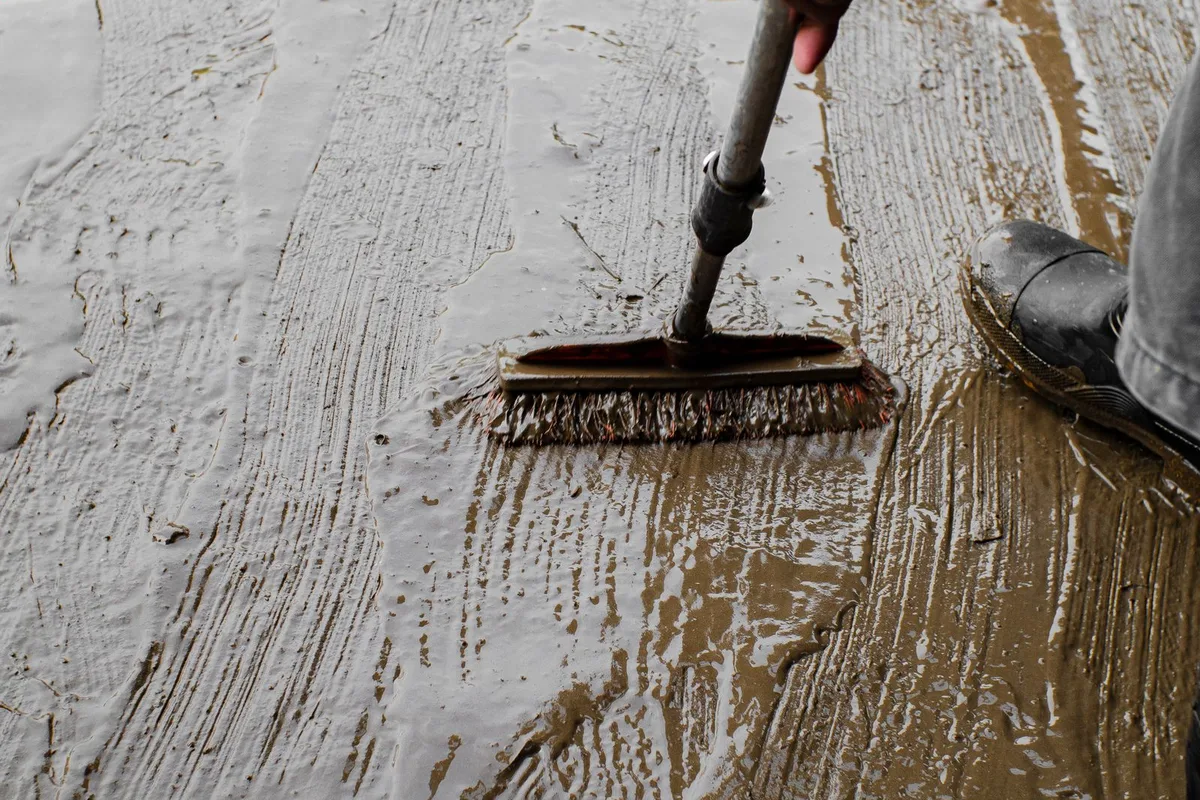
Lebanon floods from the street as well as from the sky. A hard downpour fills streets faster than the storm drains carry the water away, and the Bartons Creek watershed has flooded the city in 1928, 1939, 1962, 1963, 1979, 1989 and 2010. Sinking Creek, which runs under the west side of the Public Square, is a flashy stream: its water rises fast after rain and falls fast after it, but the damage it leaves behind stays.
Flood water that comes in from outside is treated as Category 3 water, the most contaminated kind, because it has crossed streets, lawns and drains on its way in. Cleanup through Wilson Water Pros starts with safety: protective gear, no wading without it, and removal of porous materials the flood touched, carpet pad, soaked drywall and insulation, because those cannot be sanitized in place. Then the rooms are cleaned, sanitized and dried to readings. For the drying stage itself, see structural drying and dehumidification.
Wilson Water Pros takes calls across Lebanon, Tennessee, in ZIP codes 37087, 37088 and 37090, plus 37071 and 37136 in Wilson County, from downtown and the Public Square to StoneBridge, Spence Creek and Hartmann Plantation. The technicians are local, the drying is measured with moisture meters, and every job is quoted in writing before work begins.
Signs You Need Flood Damage Cleanup
- ✓Water that came in from outside, not from a pipe
- ✓Mud, silt or debris lines on walls and floors
- ✓A smell of sewage or chemicals in the water
- ✓Carpet pad or drywall soaked by street water
- ✓Water that reached electrical outlets or appliances
Flood Water or Clean Water?
The source decides the standard. Water from a clean supply line is Category 1 and can often be dried in place. Water that came in from outside, a street, a creek or a backed-up drain, is Category 3 and is handled as contaminated from the start, whatever it looks like. Never assume flood water is clean because it looks clear; it has crossed ground you would not drink from.
How Flood Damage Cleanup Works
- Stay safe first. Do not wade into flood water; it may hide electrical hazards and contamination.
- Extract and remove. Standing water is pumped out and soaked porous materials are taken out.
- Clean and sanitize. Hard surfaces are cleaned and treated before any drying starts.
- Dry to readings. Air movers and dehumidifiers run against daily moisture readings.
- Document it all. Photos, readings and the scope go into the insurance file.
Every visit follows the same order. The technician walks the affected rooms with a moisture meter, finds how far the water spread, including behind walls and under floors, and shows you the readings. The water category is named, clean, gray or black, because the category decides the cleanup standard. The written scope separates extraction, drying, cleaning and rebuild so you can see exactly what you are approving.
When the work is done, the readings are taken again and logged. Equipment is removed only when the numbers prove the structure dry, not when it looks dry. You get the drying log and the photos for your insurance file, and the rooms are left clean, dry and ready for whatever comes next.
What Flood Damage Cleanup Costs in Lebanon
Flood cleanup in Lebanon typically runs $1,000 to $3,500 for a single room or basement, and more for whole-house flooding, because contaminated water needs more handling and more material comes out. The written scope separates extraction, removal, cleaning and drying so you can see exactly what you are approving.
Before the Next Storm
Keep gutters clean and downspouts pointed away from the foundation, and know where your street's water goes in a hard rain. If your home sits low near a creek or a dip in the road, a sump pump with a battery backup is worth having, because the storm that floods the street is the same storm that takes the power. After any flood, photograph the water lines before cleanup starts; those photos are the insurance record.
Flood Damage Cleanup Questions
Is flood water dangerous to touch?
Yes. Flood water can carry sewage, chemicals and bacteria, and it can hide electrical hazards. Stay out of it, keep children and pets away, and let the cleanup crew handle it with protective gear.
Will my carpet survive a flood?
Usually not the pad, and often not the carpet if the water was contaminated. The pad is removed and the carpet is lifted and assessed from the readings. The technician will tell you plainly what can be saved and what should go.
Does homeowners insurance cover flooding from outside?
Often not under a standard policy; outside flooding usually needs separate flood insurance. The visit documents everything with photos, readings and a written scope, which is exactly what a flood claim or a FEMA file needs.

Water in the House? Get It Out and Dried Right.
One call reaches the provider directly, around the clock. Written scope at your door before work starts.
Call +1 (844) 468-2611Questions about this service, or water doing something else entirely? Call +1 (844) 468-2611. A Lebanon technician will walk through what the water did and what it needs.